
Happy May ! ; Elevating Experiences for 16 Years; Fast Dispatch - Most Orders Ship the Same Day! Tel: 1300 652 889.

Smart Projector

Smart Projector

A smart projector combines the capabilities of a traditional projector with built-in smart features such as wireless connectivity, integrated operating systems (Android or Windows), and pre-installed apps. This allows users to stream content, run applications, and share screens directly without needing external devices.

Most smart projectors come with a remote control and app store access, enabling users to install popular platforms such as Netflix, Disney+, and YouTube. Even if a projector does not include built-in smart functionality, it can easily be upgraded using external devices like a streaming dongle (e.g. Fire TV Stick or Google TV Streamer 4K).

Many smart projectors also support wireless screen sharing via Miracast, AirPlay, or Google Cast. Some models offer multi-screen collaboration, allowing up to four users to share content simultaneously, making them highly versatile across different environments.

Smart Projector for Business

Smart projectors are widely used in offices, boardrooms, classrooms, and training environments. They improve efficiency by enabling wireless presentations, video conferencing, and collaborative work without the need for complex setups.

  • Wireless Presentations: Share content directly from laptops or mobile devices without cables
  • Video Conferencing: Run apps like Google Meet or Microsoft Teams directly on the projector
  • Collaboration: Multi-screen sharing for team discussions and presentations
  • USB Playback: Present files directly from a USB drive without a PC

Smart Projector for Home

For home use, smart projectors provide a flexible and immersive entertainment experience. They can replace traditional TVs by delivering large-screen viewing with built-in streaming apps and wireless connectivity.

  • Streaming: Watch Netflix, YouTube, Disney+, and more without external devices
  • Portability: Easy to move and set up in different rooms or outdoor spaces
  • Wireless Casting: Mirror content from smartphones, tablets, or laptops
  • All-in-One Solution: No need for additional media players or cables

Filter by

Venue Size
0 selected Reset
Brand
0 selected Reset
Resolution:
0 selected Reset
Lumens Range:
0 selected Reset
Contrast Ratio:
0 selected Reset
Throw Type:
0 selected Reset
Light Source:
0 selected Reset
Keystone:
0 selected Reset
Lens Shift
0 selected Reset
Wireless
0 selected Reset
3D Capable
0 selected Reset
Weight:
0 selected Reset
Price
The highest price is $4,999.00 Reset
$
$
  1. BenQ Tk705i LED Home Projector displaying sleek design
    Sale
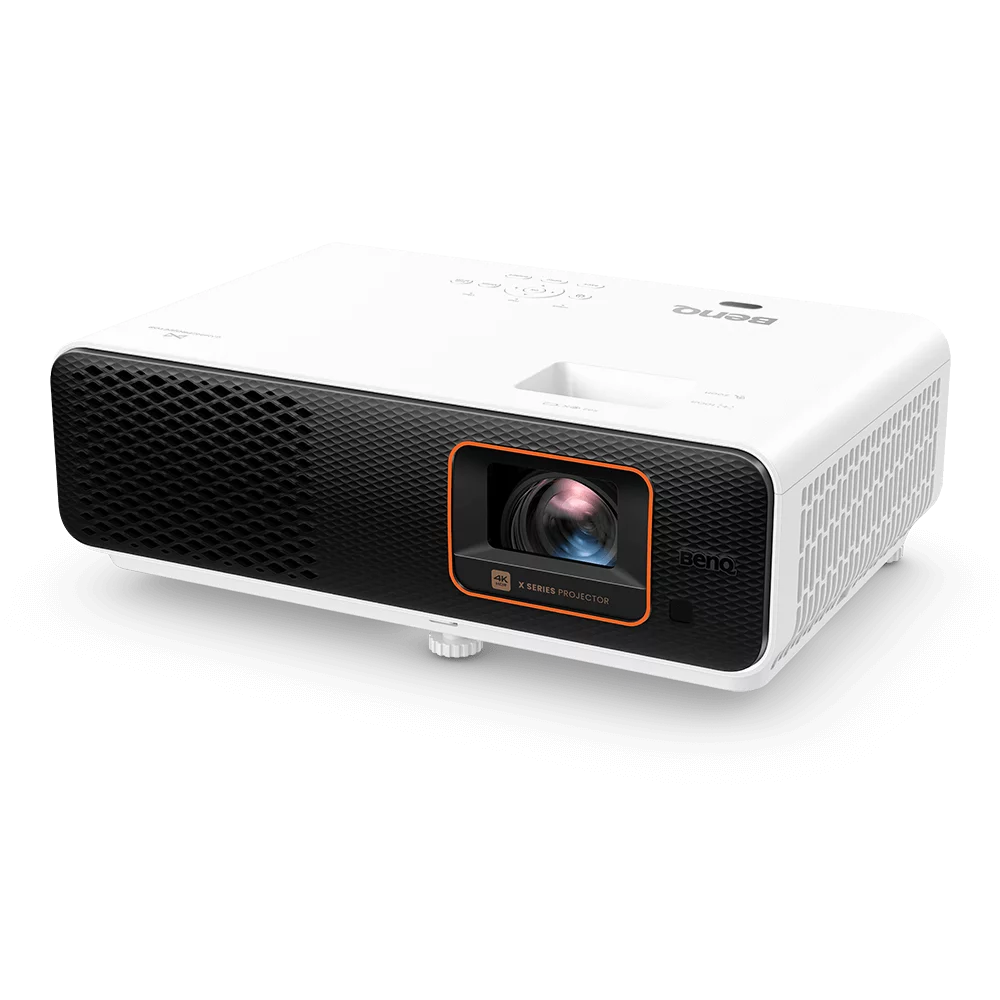
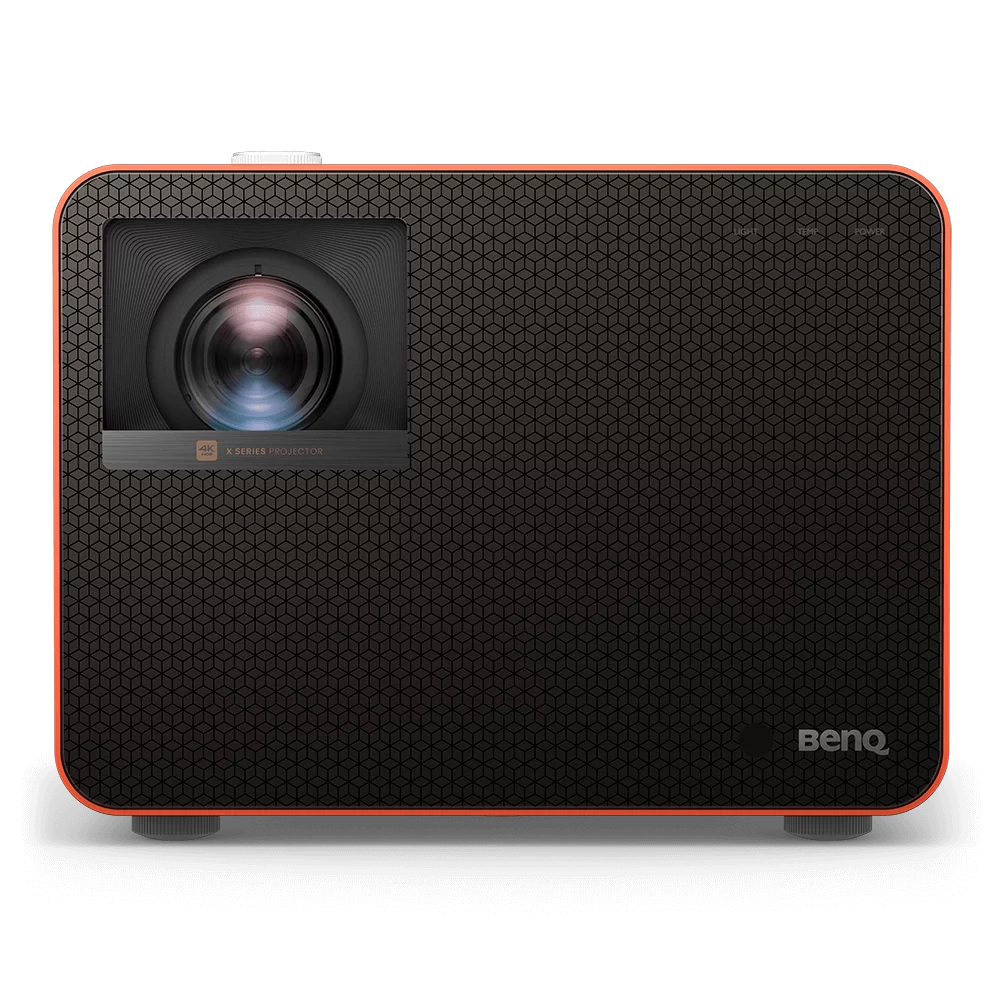
  2. BenQ X500i LED Short Throw Home Projector 4K with 2200 Lumens in white and black design on display.
    Sale
  3. BenQ Tk705sti LED Short Throw Home Projector with 3000 Lumens and 4K resolution
    Sale
  4. BenQ TK710STi Short Throw Laser Home Projector displaying on a table with 4K UHD resolution and compact design.
    Sale
  5. BenQ W2720i LED Home Projector 2500 Lumens 4K
    Sale

Large Screen Gaming Without the Lag

A gaming projector allows you to play on a much larger image compared to a typical TV or monitor, while still maintaining usable response times for most games.

Modern models support 4K resolution, HDR formats, and higher refresh rates, making them suitable for both casual gaming and more competitive titles.

Short throw models are especially useful if you are limited on space, allowing you to project a large image even when placed close to the screen.

Gaming Projector Terms Explained

When comparing gaming projectors, you will often see technical specifications. Here is a simplified explanation of the key terms.

Colour Gamut Coverage

This describes how many colours the projector can display. A wider colour range generally results in more realistic and vibrant images.

  • Rec. 709: Standard for HD content. Still common, but more limited in colour range.
  • DCI-P3: Used in cinemas. Provides richer and more saturated colours, especially for modern 4K content.
  • BT.2020 / Rec. 2020: The widest current standard. Few projectors fully support it, but higher coverage means more vivid and future-ready image quality.

HDR Format Support

HDR improves contrast between bright and dark areas, helping preserve detail in highlights and shadows.

  • HDR10: The most common HDR format, using a single brightness setting.
  • HDR10+ and Dolby Vision: Adjust brightness dynamically for better scene-by-scene accuracy.
  • HLG: Designed for broadcast content such as live sports.

HDMI Versions

The HDMI version determines how much data can be transmitted from your console or PC to the projector.

  • HDMI 2.0 / 2.0b: Supports 4K at 60Hz with standard HDR.
  • HDMI 2.1: Supports higher bandwidth, including 4K at 120Hz and advanced gaming features.
  • eARC: Allows high-quality audio formats like Dolby Atmos to be sent to a sound system.

Gaming Features

These features are particularly relevant for console and PC gaming.

  • VRR (Variable Refresh Rate): Reduces screen tearing by syncing the projector with your console or PC.
  • ALLM (Auto Low Latency Mode): Automatically switches to low-latency mode when gaming is detected.
  • Input Lag: The delay between pressing a button and seeing the action. Lower is better.
  • Refresh Rate: Higher refresh rates provide smoother motion, especially in fast-paced games.

Compare Gaming Projectors

Gaming projectors vary based on resolution, brightness, light source, throw ratio, and gaming-focused features. Understanding these differences can help you choose the right model for your setup.

Full HD vs 4K: Full HD (1080p) models are suitable for most games and offer good performance at a lower cost. 4K projectors provide sharper detail and are better suited for larger screens or users who want a more detailed image.

Brightness Levels: Lower brightness projectors are best used in dark rooms. Higher brightness models perform better in rooms with ambient light or when projecting onto larger screens.

Throw Distance: Standard throw projectors require more distance from the screen, while short throw models can produce a large image from a shorter distance, making them ideal for smaller spaces.

Light Source: Lamp-based projectors typically have a lower upfront cost but require lamp replacement over time. Laser and LED models offer longer lifespan, more stable brightness, and lower maintenance.

Gaming Performance: Gaming-focused projectors prioritise low input lag, higher refresh rates, and support for features like VRR and ALLM, which improve responsiveness and smoothness.

Colour & Image Quality: Higher-end models usually provide wider colour gamut coverage and better HDR performance, resulting in more accurate and vibrant visuals.

The right choice depends on your room size, viewing distance, lighting conditions, and whether you prioritise image quality, responsiveness, or ease of setup.


}) } } }>