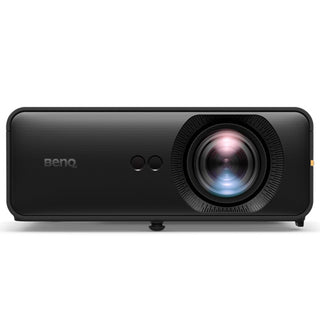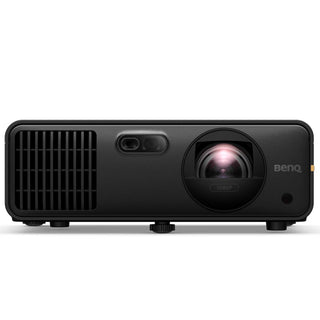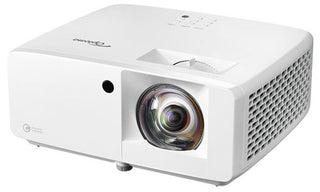
Golf Simulator Projector

The Essential Guide to Setting Up a Home Golf Simulator
A golf simulator provides the ultimate convenience and flexibility for playing from home, delivering an incredibly immersive experience that allows you to practice and improve your skills year-round.
To set up a modern golf simulator, you will need several key components. Here is an updated list of the essentials to create the perfect setup today:
-
Space: Ensure you have enough room for the setup.
- Height: A minimum of 2.7m (3.1m to 3.5m is recommended for maximum clearance to swing comfortably).
- Width: A minimum of 3.1m (3.8m to 4.7m is recommended if you want to use your driver and safely center the ball to the screen).
- Depth: A minimum of 4m, though 5m is highly recommended. The extra depth allows the ball to travel further before hitting the screen, which is especially important for radar-based monitors to accurately read the flight.
-
Launch Monitor (The Engine): This device measures exactly what the club and ball are doing. The market has advanced massively, offering incredible accuracy at home.
- Top Tier/Pro: Foresight GCQuad, Trackman 4, Uneekor EYE XO (ceiling mounted).
- Mid-Range/Enthusiast: Bushnell Launch Pro / Foresight GC3, SkyTrak+, Uneekor EYE MINI.
- Budget/All-in-One: Garmin Approach R50 (features a built-in touchscreen), FlightScope Mevo Gen2, Garmin Approach R10.
-
Golf Simulator Software: This provides the virtual physics, 4K graphics, and course libraries.
- GSPro: The undisputed gold standard for modern home setups. It offers hyper-realistic physics, 4K graphics, online tours, and a massive community-built library of over 1,000 LiDAR-scanned courses.
- Alternatives: FSX Play (for Foresight users), E6 APEX (next-gen visuals on Unreal Engine), and Trackman Virtual Golf.
- Computer (Gaming PC): You need a robust Windows gaming PC to run modern software like GSPro smoothly at 4K. Look for a PC with a dedicated, modern graphics card (like an NVIDIA RTX 4060 or higher). Note: Standalone all-in-one units like the Garmin R50 bypass the need for a PC entirely.
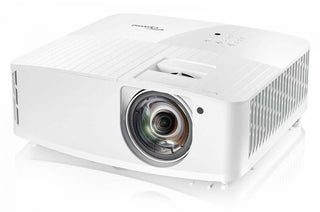
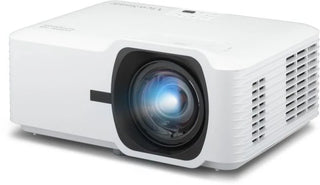
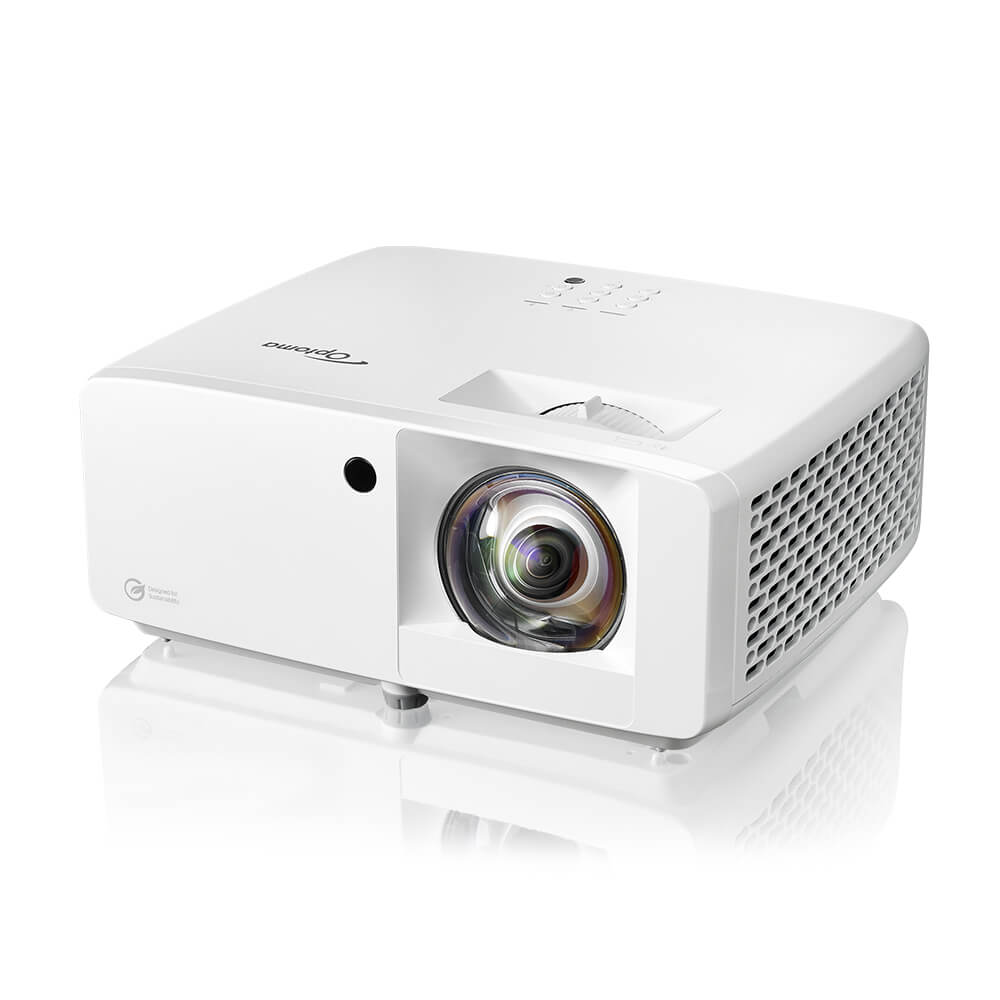
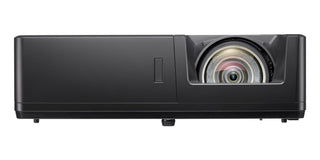
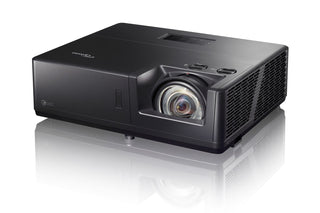
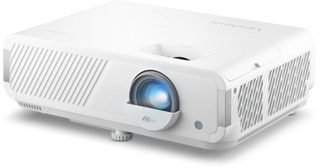
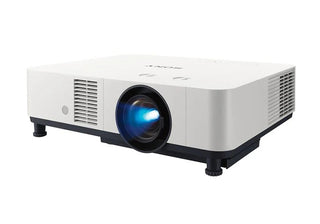
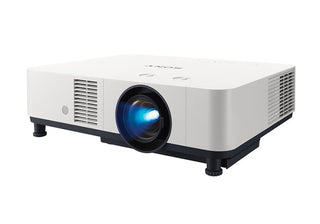
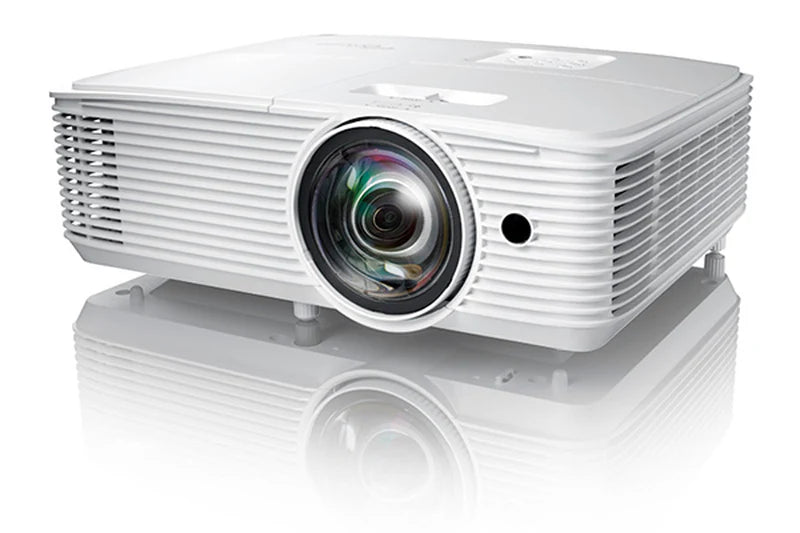
- Projector: A high-quality projector to display the simulation. You'll want a Full Hd or 4K, short-throw laser projector for the best experience (detailed specs below).
- Impact Screen & Enclosure: A durable, high-quality, multi-layer impact screen to safely absorb ball strikes and display a bright image. The enclosure netting protects the surrounding walls and ceiling.
- Hitting Mat: A premium golf hitting mat that replicates real turf interaction and protects your joints from injury (look for reputable brands to avoid "turf shock").
- Lighting: Proper lighting is essential. You need focused light on the hitting area for photometric (camera-based) launch monitors, while keeping the area near the screen as dark as possible to maximise projector brightness.
Once you have gathered your components, you will assemble the enclosure, map out your hitting strip, mount and align your projector, and calibrate your launch monitor and software via high-speed HDMI or Wi-Fi.
How to Choose a Good Projector for a Golf Simulator
When selecting a projector, there are several strict requirements to ensure your virtual fairways look crisp and you aren't casting shadows on the screen:
- Resolution: Choose a projector with 4K resolution. Because you are projecting onto a massive screen (often 10 to 15 feet wide) and standing very close to it, 1080p will often look pixelated. 4K provides the immersive detail required for modern simulator software.
- Throw Ratio (Short Throw is Mandatory): For golf simulators, a short-throw projector is essential. It sits closer to the screen (usually mounted directly above and slightly in front of the golfer). This prevents the golfer's body from casting shadows on the screen and keeps the expensive hardware safely out of your swing path.
- Brightness (Lumens): Look for a minimum of 4,000 lumens, though 5,000+ lumens is ideal. Impact screens absorb and bleed more light than standard white walls or home theater screens, so you need high brightness to cut through ambient room light.
- Light Source (Laser vs. Lamp): A Laser projector is highly recommended. Unlike traditional bulb projectors, laser projectors turn on instantly, generate significantly less heat, and provide 20,000 to 30,000 hours of life without ever needing a costly bulb replacement.
- Contrast Ratio: A higher contrast ratio (10,000:1 or better) results in richer colors, deeper blacks, and brighter whites, making shadows, greens, and course topography much easier to read.
- Connectivity: Ensure the projector has modern inputs, specifically HDMI 2.0 or 2.1, to handle high-bandwidth 4K signals from your gaming PC without lag.
- Mounting Options: Ensure it supports standard heavy-duty ceiling mounts, as getting the projector off the floor is critical for safety in a golf room.